Network of Excellence​

The strength of the WEFE Alliance lies in its people. This platform brings together a diverse community of experts, researchers, and practitioners from across Europe and beyond, representing a wide spectrum of scientific and professional fields.

By navigating this section, you can access concise profiles of specialists working in domains such as water resource management, sustainable energy systems, food systems and nutrition security, and ecosystem integrity. Each profile provides insights into the expert’s background and research interests, facilitating opportunities for dialogue, joint projects, and policy-oriented collaboration.

Our goal is to foster an interdisciplinary knowledge network that transcends borders and disciplines, creating a reliable point of contact for scientific excellence and evidence-based solutions within the WEFE Nexus.

Expertise in Focus

Discover the specialists who form the core of the WEFE Alliance. Our experts represent diverse domains — from water, energy, and food systems to ecosystem services, economics, health, and engineering. By exploring their profiles, you can connect with leading voices across the Nexus, identify potential collaborators, and build partnerships that advance sustainability, resilience, and innovation.

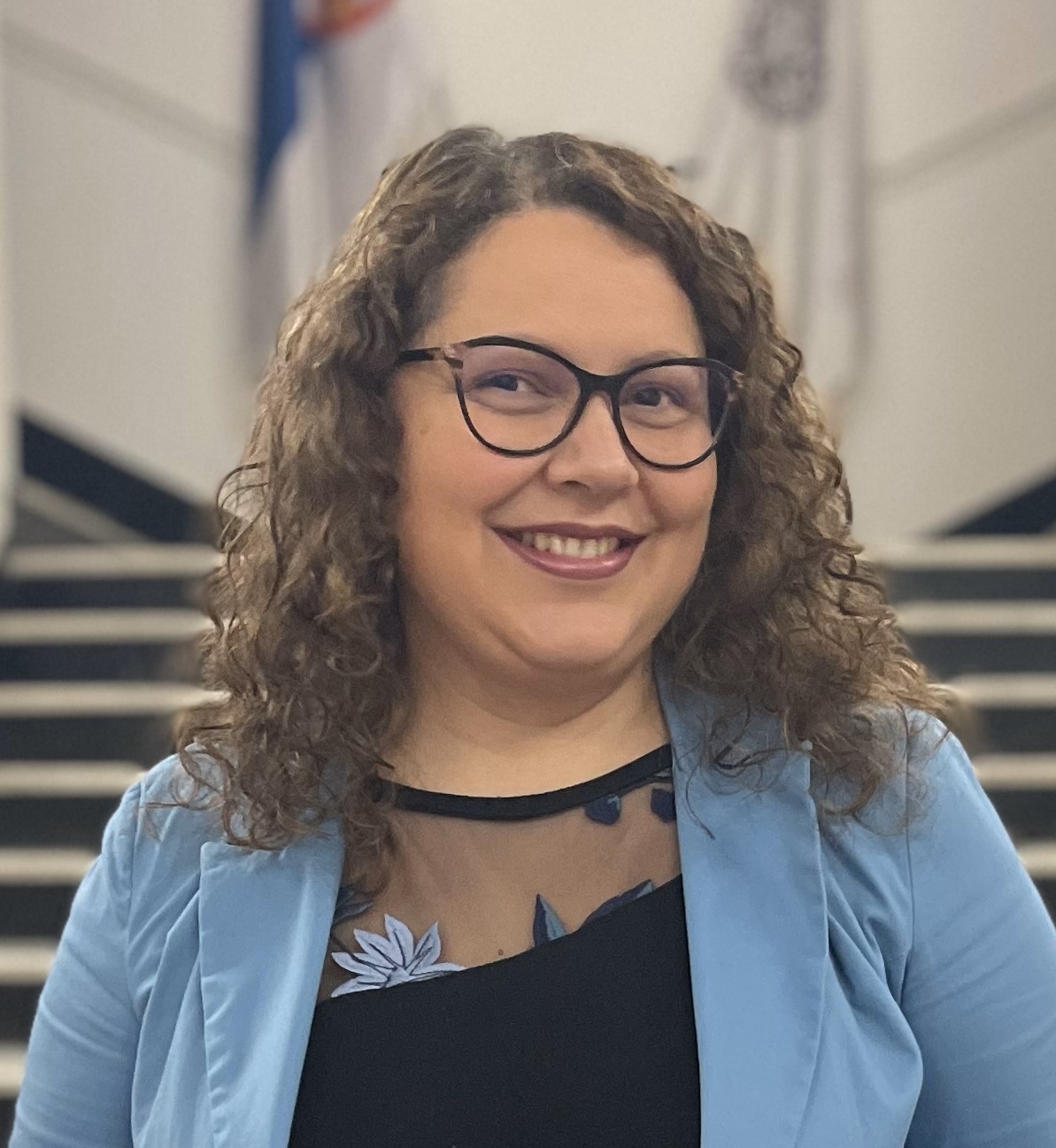
Ms. Dijana Likar is a professional engaged at the Institute for Research in Environment, Civil Engineering and Energy, with expertise spanning environmental systems, engineering, and data-driven approaches to sustainability. Her work focuses on addressing complex challenges within interconnected systems that link environmental, societal, and economic dimensions. She is particularly interested in systemic resilience, emphasizing the need for integrated and interdisciplinary solutions to manage resources efficiently and support sustainable development. Her background combines civil engineering, water resource management, and sustainable energy systems with competencies in mathematics, data science, and digital innovation. Through her work, Ms. Likar contributes to the development of holistic approaches that enhance the resilience of complex ecosystems, support circular economy principles, and promote the use of advanced technologies in environmental and engineering applications. Among her main competences are: ⮩ Water resources management and sustainable energy systems
⮩ Civil engineering and mechanical systems
⮩ Application of mathematics and data science in complex systems
⮩ Digital technologies and innovation in environmental solutions
⮩ Circular economy and resource efficiency approaches
Email: dijana.likar@iege.edu.mk
Phone: +389 72 214 613

Ms. Dijana Likar
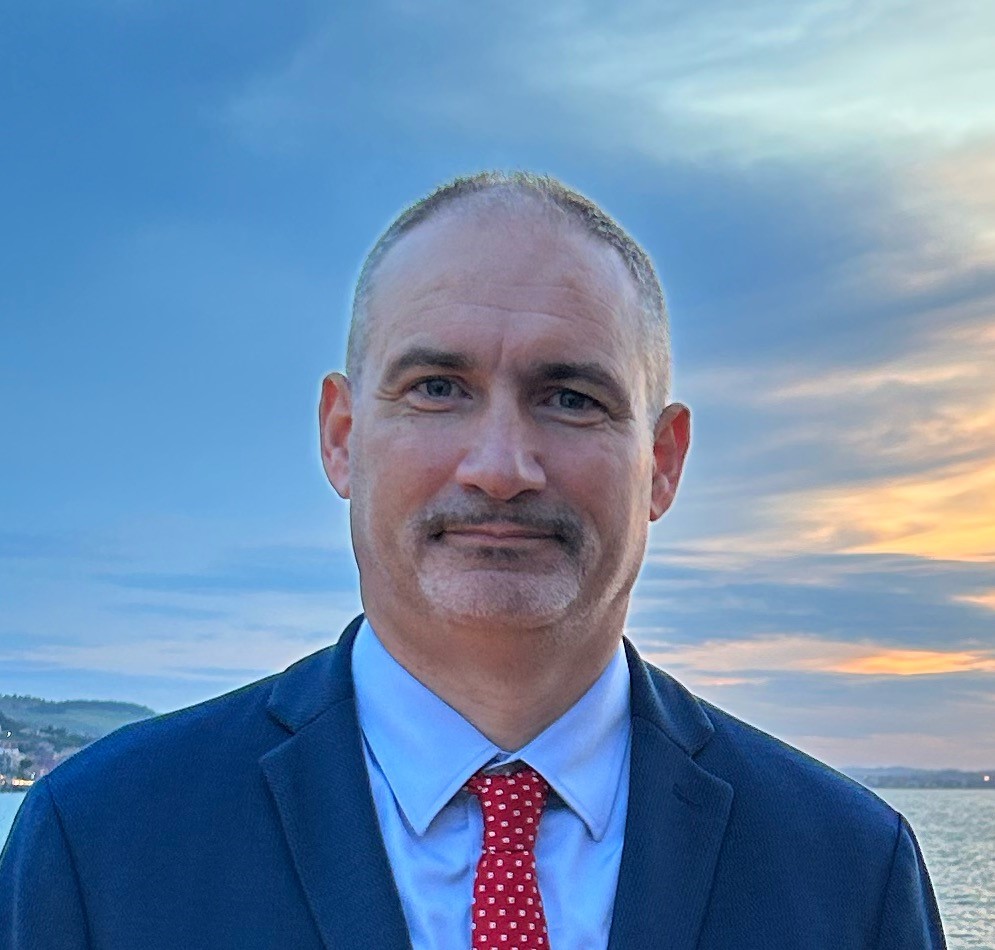
Prof. Dr. Marko Mančić is an Assistant Professor at the Faculty of Mechanical Engineering, University of Niš (Serbia), working at the intersection of energy systems, climate resilience, and the Water–Energy–Food–Ecosystems (WEFE) Nexus. His research and professional activities focus on developing sustainable and scalable solutions that enhance resource efficiency and support climate adaptation. He is actively involved in and leads EU-funded projects across Southeastern Europe, with a particular emphasis on energy-efficient buildings, urban heat-risk reduction, circular renovation of the built environment, and the integration of nature-based solutions in urban areas. His work combines advanced methodologies such as physics-based modelling, digital twins, and climate services, together with stakeholder co-creation processes, to support evidence-based policymaking at local and national levels. Through his engagement with academia, public authorities, and industry, Prof. Mančić contributes to the development of innovative, WEFE-oriented approaches that reduce vulnerability to climate extremes and accelerate the transition toward a just and sustainable green economy in the Western Balkans and the wider Mediterranean region. Among his main competences are:
⮩ Sustainable energy systems and energy-efficient building design
⮩ Climate resilience and urban heat-risk assessment
⮩ Circular economy approaches in the built environment
⮩ Application of digital twins and climate services in urban planning
⮩ Development of nature-based solutions and WEFE-integrated strategies
His work can be found at: https://www.scopus.com/authid/detail.uri?authorId=55341624800
Email: marko.mancic@masfak.ni.ac.rs

Prof. Dr. Marko Mancic
University professor Vladimir Kitanovski is working at State University Mother Teresa in Skopje North Macedonia. His work is focused on the creation and implementation of technology driven solutions in food systems and new technologies for digitalized and greener sustainable development of the business eco-system. Read More
Asst. Prof. PhD Vladimir Kitanovski

Professor Gianfranco Romanazzi is a Full Professor of Plant Pathology at Marche Polytechnic University. His research focuses on developing and applying sustainable solutions, such as natural compounds and essential oils to protect plants from diseases while reducing losses and waste in fresh fruit and vegetable supply chains. His work contributes to key areas including sustainable energy systems, food systems and nutrition security, and circular economy and resource management. Through his scientific contributions, he supports the transition toward more resilient and sustainable agri-food systems.


Latest publication can be found: https://doi.org/10.1146/annurev-phyto-021722-035135


Among his main competences are:

⮩ Development and application of sustainable plant protection solutions based on natural compounds

⮩ Reduction of postharvest losses and food waste in fresh produce supply chains

⮩ Contributions to circular economy and resource-efficient agricultural systems

⮩ Research supporting food security and sustainable agri-food innovation

Email: g.romanazzi@univpm.it
Prof. Dr. Gianfranco Romanazzi
Ms. Mara Strenger is a sustainability researcher and Deputy Director at the Sustainable Packaging Institute (SPI), specializing in circular economy and sustainable packaging systems. Her work focuses on advancing a circular bioeconomy through innovative approaches to packaging design, materials, and lifecycle assessment. Her research explores the environmental impacts of packaging, integrating sustainability assessment methods with consumer perception analysis to support the development of more responsible and resource-efficient solutions. She is particularly engaged in promoting circular strategies that reduce waste, improve material efficiency, and align with broader sustainability goals. Through her contributions, Ms. Strenger supports the transition toward sustainable production and consumption systems, bridging scientific research with practical applications in industry and policy contexts.
Among her main competences are:
⮩ Circular economy and sustainable packaging systems
⮩ Sustainability assessment and lifecycle analysis
⮩ Consumer perception and behavior related to sustainability
⮩ Development of circular bioeconomy solutions
⮩ Resource efficiency and waste reduction strategies
Latest research work can be found:
DOI: 10.1007/s00003-024-01539-z
Profile / Portfolio:
https://drive.google.com/u/1/open?usp=forms_web&id=1IONuzOjoQV4aF3RXWWZ_D1tB2vkmNUPY Email: strenger@hs-albsig.de
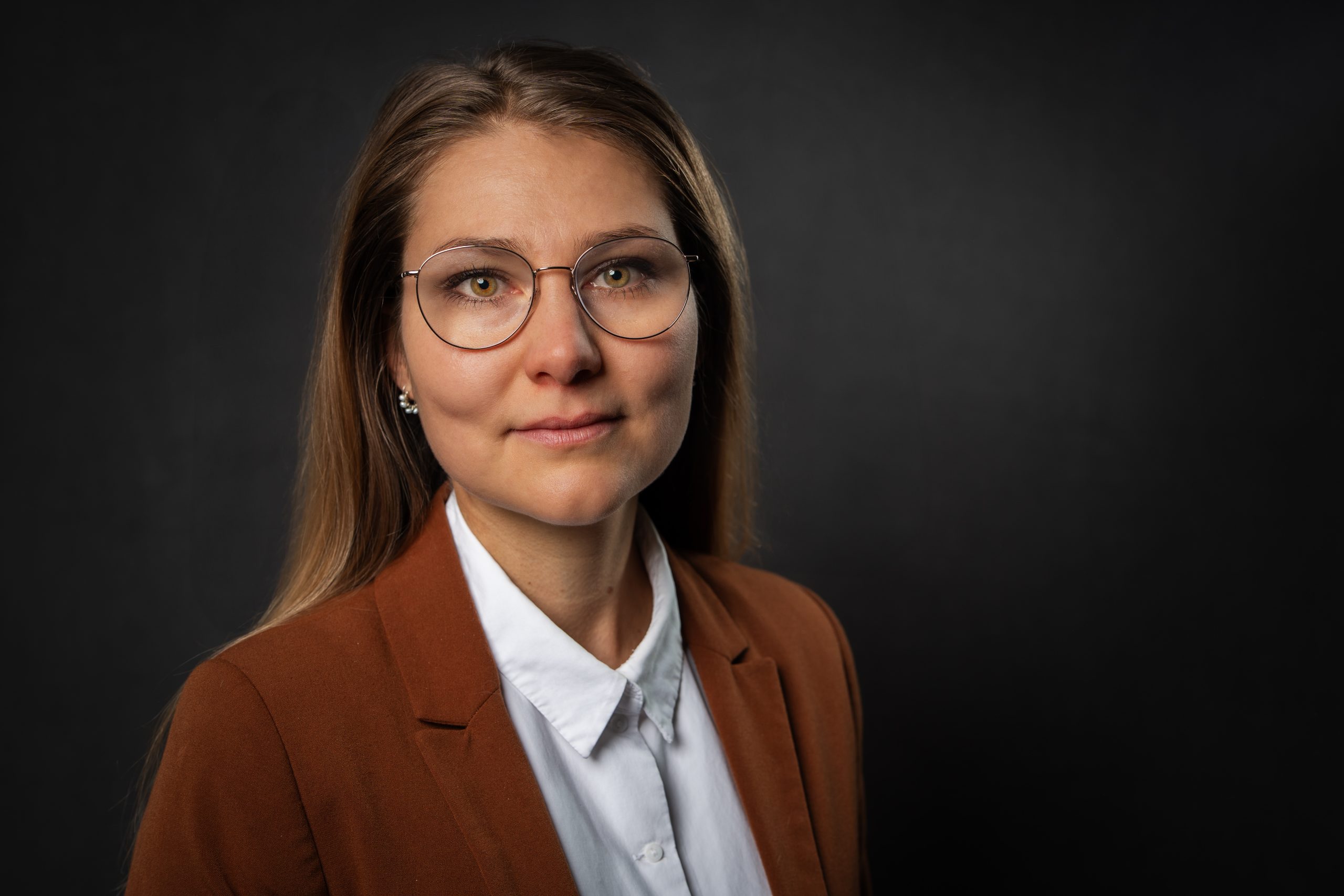
Dr. Mara Strenger
Prof. Dr. Biljana Trajkovska is an Associate Professor at the Faculty of Biotechnical Sciences, University “St. Kliment Ohridski” in Bitola, North Macedonia. She is a researcher in the field of food quality and safety, with particular expertise in dairy product innovation, sensory analysis, and the application of bioprotective cultures. Her academic and research work focuses on improving food systems and ensuring nutrition security through the development of innovative and safe food products. She is actively engaged in research, teaching, and knowledge transfer activities, contributing to the advancement of food science and technology. Prof. Trajkovska is committed to fostering collaboration through joint research initiatives, training activities, and academic mobility. Through her involvement in international projects, she supports the exchange of knowledge and the development of student-oriented learning approaches, contributing to the overall strengthening of academic and research capacities. Among her main competences are: ⮩ Food quality and safety assessment ⮩ Dairy product innovation and development ⮩ Sensory analysis and consumer evaluation ⮩ Application of bioprotective cultures in food systems ⮩ Food systems and nutrition security Profile: https://scholar.google.com/citations?user=vMnhwxQAAAAJ&hl=en&oi=sra Email: biljana.trajkovska@uklo.edu.mk
Assoc. Prof. PhD Biljana Trajkovska

Dr. Sema Gunduz is a Lecturer at Marmara University with a multidisciplinary background and extensive international project experience. Her work focuses on transforming education through innovation, digital tools, and collaborative partnerships. Her academic research explores innovative work behaviour, particularly how organisational support, digital engagement, and empowering work environments foster creativity and proactive idea generation. By bridging research and practice, she contributes to building sustainable innovation ecosystems, strengthening institutional capacity, and designing learning experiences that promote future-ready skills. Through her involvement in Erasmus+, EIT HEI, and British Council–supported initiatives, she actively supports the creation of environments where individuals and organisations can thrive through continuous innovation.


Among her main competences are:

⮩ Innovation in education through digital tools and collaborative approaches

⮩ Research on innovative work behaviour and organisational development

⮩ Design of learning environments fostering creativity and future-ready skills

⮩ Development of sustainable innovation ecosystems and institutional capacity

⮩ Experience in international projects (Erasmus+, EIT HEI, British Council)


Lates publication can be found:
https://www.sciencedirect.com/science/article/pii/S1878450X25000381
Latest project tool/output:
https://www.rsc.org/standards-and-recognition/prizes/winners/digital-virtual-reality-centres-for-global-equality-in-scientific-training-the-3di-virtual-reality-institute

Email: sema.gunduz@marmara.edu.tr
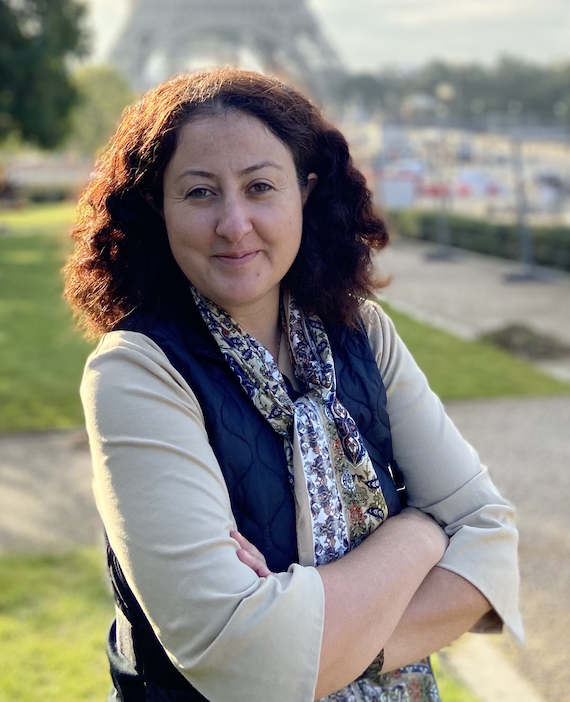
Dr. Sema Gunduz

Ms. Rania Bou Said is a Project Assistant at UN-ESCWA and a strategic sustainability and climate-resilience professional with over five years of experience across Western Asia, North Africa, and the European Union. She is a LEED Green Associate with strong expertise in designing and implementing cross-sector research, policy, and development initiatives focused on sustainable water management, ecosystem resilience, and climate adaptation.

Her work centers on advancing integrated approaches within the Water–Energy–Food–Ecosystem (WEFE) nexus, combining scientific research with policy-oriented solutions. She has extensive experience in stakeholder engagement, program coordination, and the development of data-driven tools, training programs, and communication strategies that enhance institutional capacity and support evidence-based decision-making.

Rania has contributed to several high-impact scientific publications in leading journals, addressing topics such as water reuse, climate-driven water resource dynamics, and the socioeconomic resilience of WEFE systems. Through her work, she actively supports the transition toward more sustainable, circular, and climate-resilient systems at regional and international levels.


Lates research can be found:


https://doi.org/10.1080/02508060.2025.2477432

Among her main competences are:

⮩ Strategic planning and implementation of sustainability and climate-resilience programs
⮩ Water resource management, including wastewater reuse and integrated WEFE approaches
⮩ Development of science-based policies and data-driven decision-support tools
⮩ Stakeholder engagement and multi-level coordination across governments, academia, and international organizations
⮩ Capacity building, training development, and knowledge transfer initiatives

Email: rania.bosaid@gmail.com

Ms. Rania Bou Said
Prof. Dr. Tamara Rađenović is an Associate Professor at the Faculty of Occupational Safety, University of Niš (Serbia), with expertise in circular economy and resource management. Her academic and research work focuses on sustainable development, environmental protection, and the efficient use of resources within modern socio-economic systems. Her research emphasizes the importance of integrating human-centered approaches into sustainability strategies, recognizing people as key drivers of innovation, resilience, and responsible resource management. She actively contributes to scientific research and publication in international journals, addressing challenges related to environmental sustainability and circular economy practices. Through her work, Prof. Rađenović supports the development of sustainable systems that balance environmental, economic, and social dimensions, contributing to more resilient and responsible communities. Among her main competences are: ⮩ Circular economy and resource management ⮩ Environmental protection and sustainable development ⮩ Human-centered approaches in sustainability ⮩ Policy-relevant research and scientific dissemination ⮩ Development of sustainable socio-economic systems Recent work can be found at: DOI: 10.1177/21582440251334273; 10.59267/ekoPolj2501225R; 10.3390/su17052220; 10.1016/j.scitotenv.2025.178600 Profile / Portfolio: https://drive.google.com/u/1/open?usp=forms_web&id=1ze9fQYYLhi5Pndg6Xs-RIUkAMYTpRWs3 Email: tamara.radjenovic@znrfak.ni.ac.rs Phone: +381 63 424365
Assoc. Prof. PhD Tamara Rađenović

Building Partnerships for a Resilient Future

Our platform is designed to go beyond conventional collaboration spaces by integrating scientific research tools, expert knowledge, and evidence-based insights into one ecosystem. By engaging with our community, users gain access to a unique environment where strategic partnerships are fostered, data-driven solutions are developed, and innovative approaches to resilience are tested and shared. This enables stakeholders to co-create strategies that address complex environmental, technological, and societal challenges. In doing so, the platform not only supports scientific advancement but also contributes to building a resilient future through shared expertise, collaborative projects, and informed decision-making.

Scroll to Top