
Science into Practice
The WEFE Alliance provides access to practical knowledge and scientific methods that demonstrate how the Water–Energy–Food–Ecosystem Nexus can be applied in real-world contexts. This section brings together case studies, analytical frameworks, and research tools that support evidence-based decision-making and policy development.
Our aim is to create a knowledge hub where experts, policymakers, and stakeholders can explore tested approaches, innovative solutions, and lessons learned that strengthen resilience and sustainability in North Macedonia and the wider region.

Smart Nexus Labeling for Food Waste Reduction
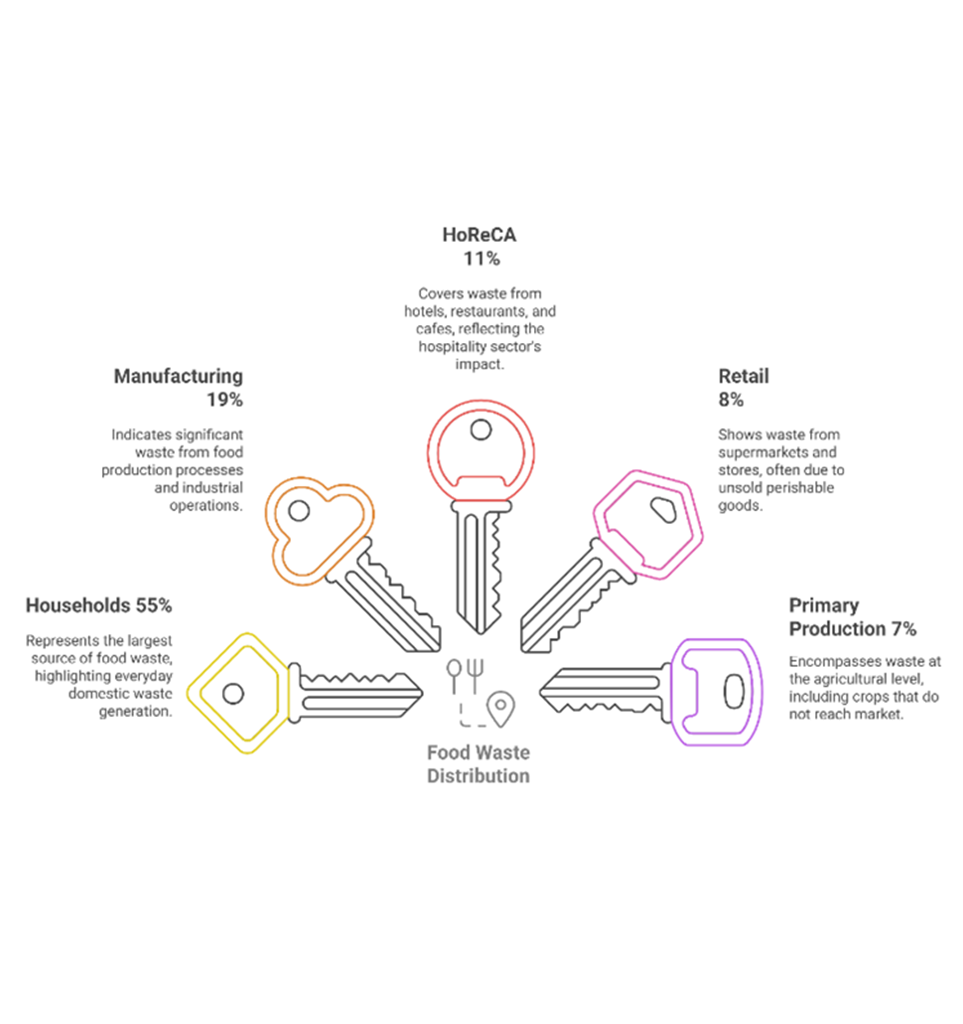
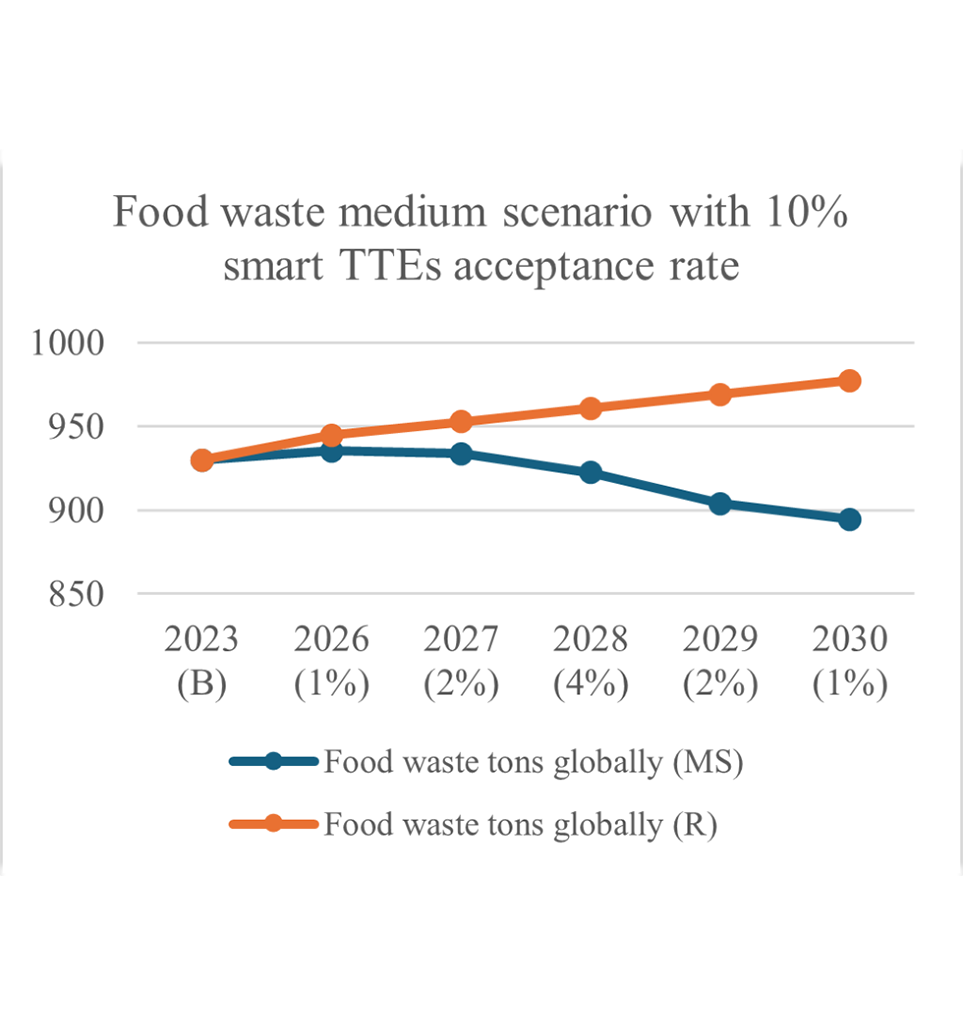
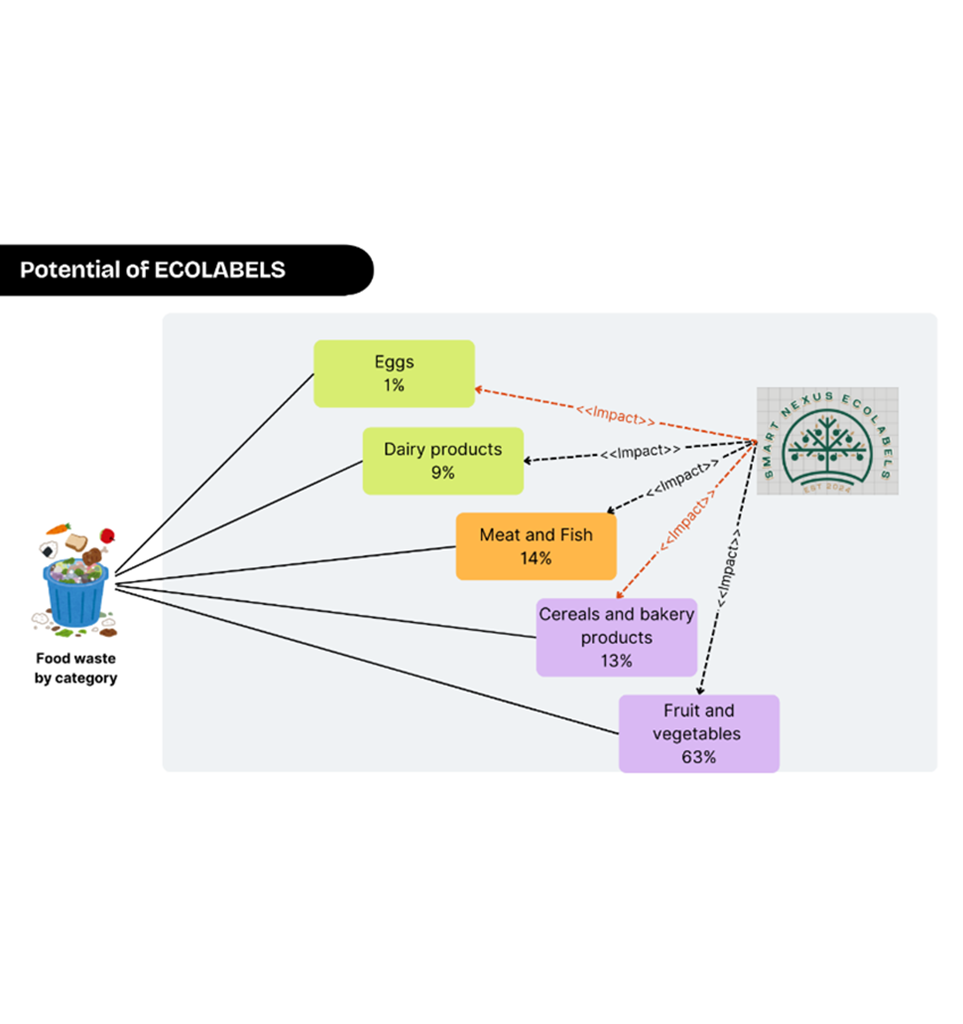
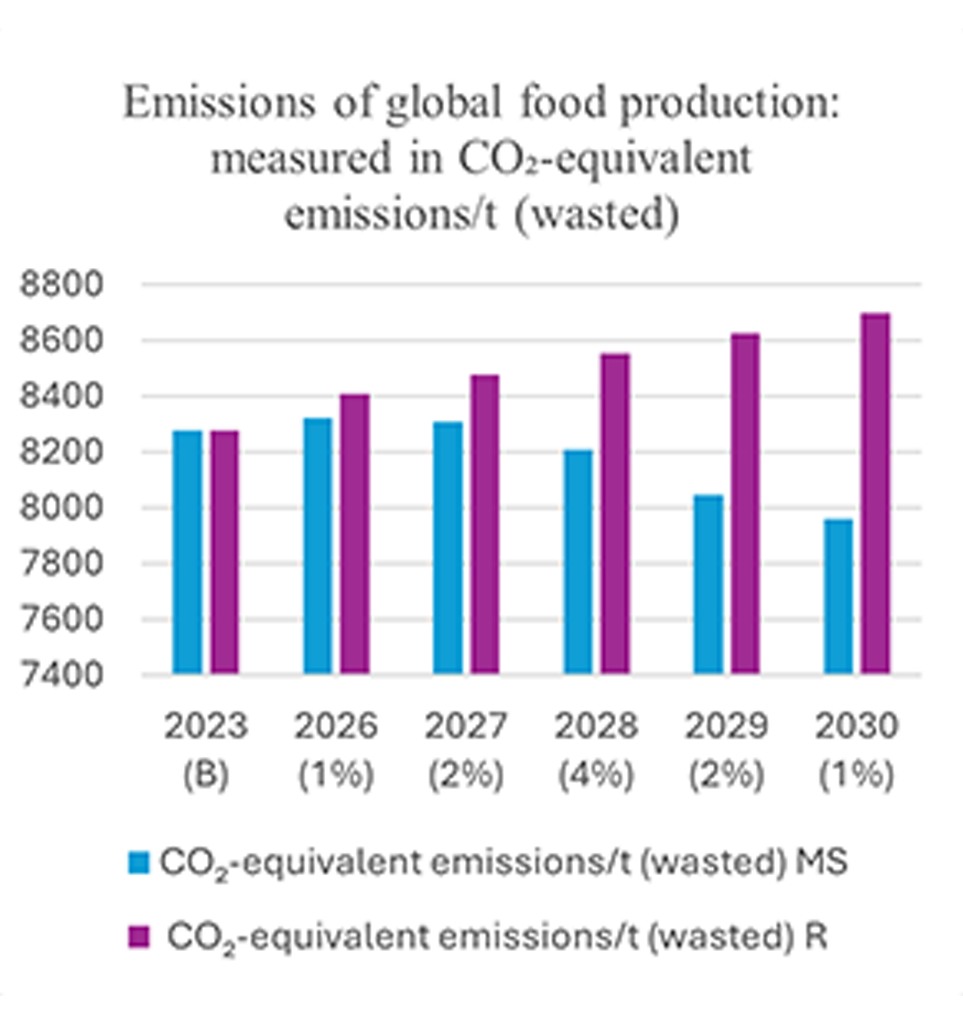
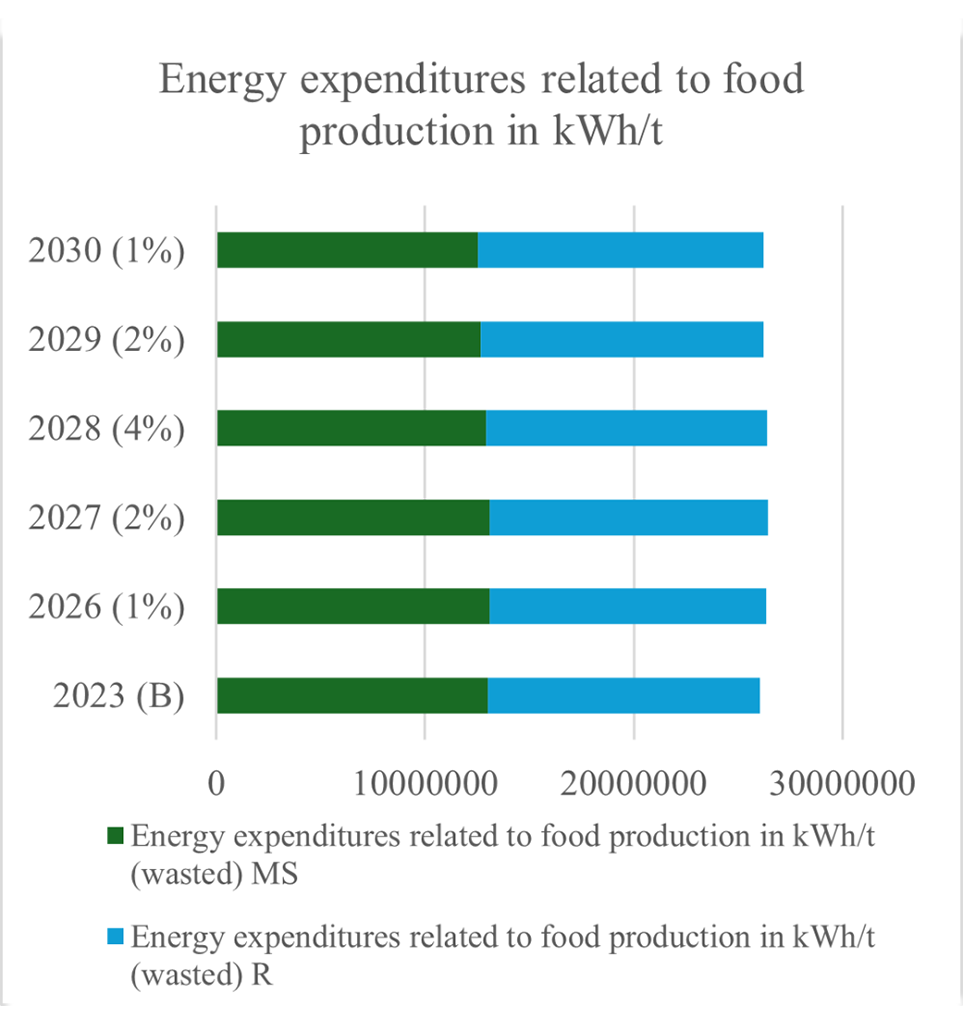
In this case study, we explore an optimistic scenario of reducing food waste by 20% across all major categories, with particular emphasis on household-level waste and inefficiencies within the supply chain. The intervention is designed around a citizen science approach and the enhancement of food literacy, supported by the introduction of Smart Nexus Ecolabels.
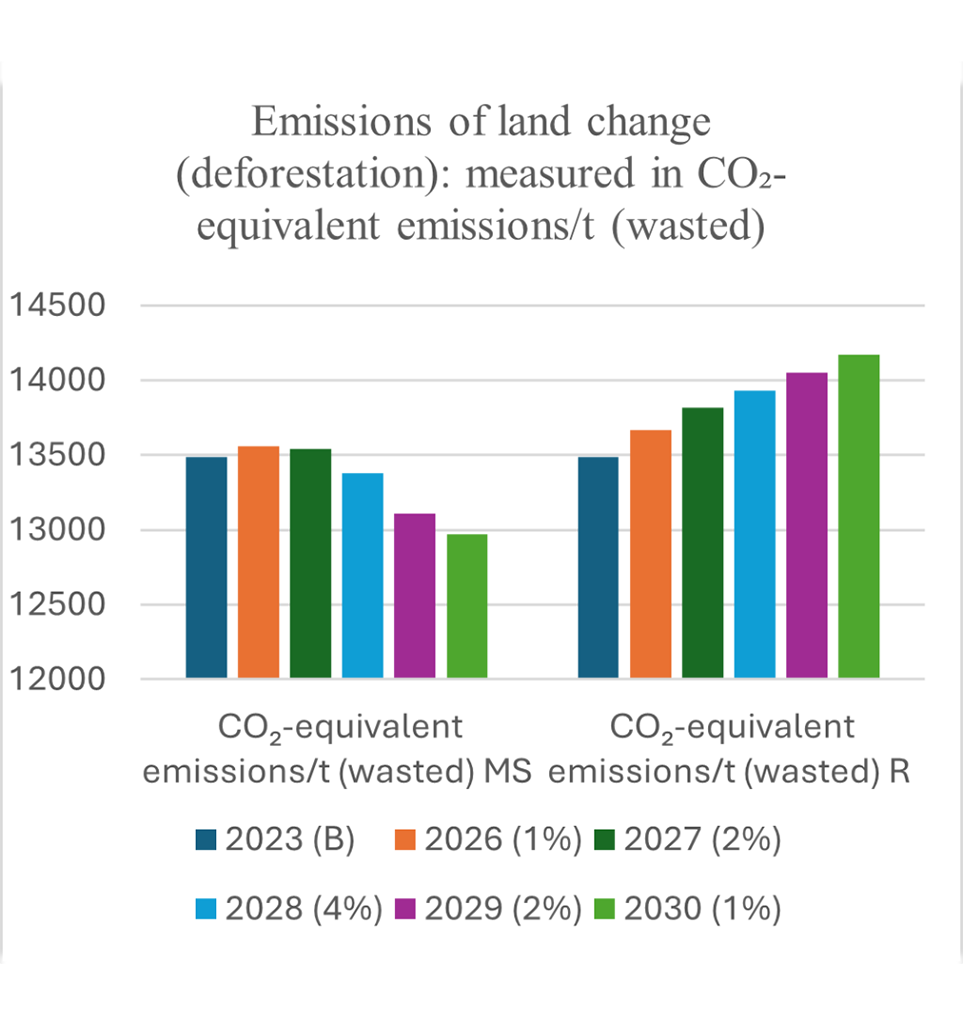
By comparing two distinct scenarios—a baseline “do nothing” pathway versus an active intervention pathway—we demonstrate the measurable benefits of implementing smart labeling as a tool for awareness, behavioral change, and systemic efficiency.
The effectiveness of this approach is validated through the Joint Research Centre (JRC) calculator, which provides quantifiable metrics underscoring the role of Nexus Ecolabels as a social driver within the sustainability framework. The results are compelling:
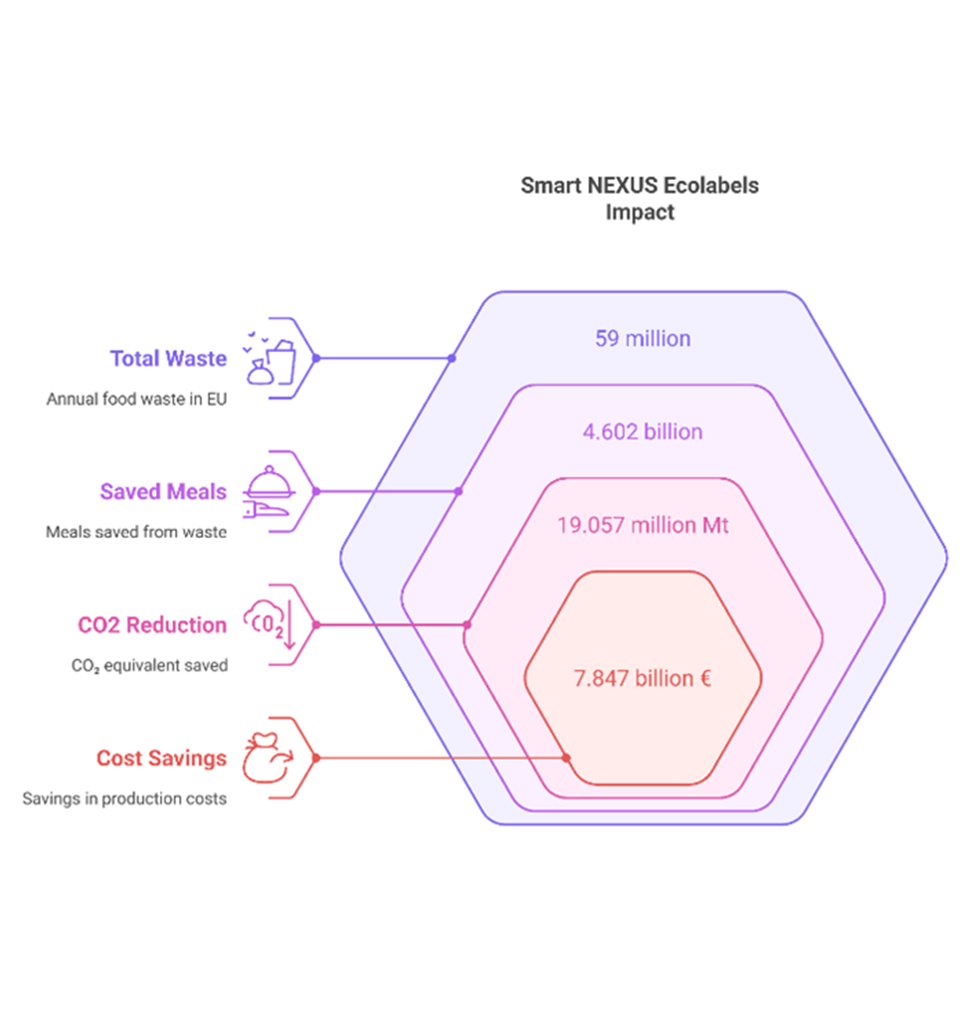
- For each ton of food waste prevented, approximately 78 meals are saved, ensuring food security for one adult for 28 days.
- Preventing one ton of waste also avoids 323 kg of CO₂ equivalent emissions and yields €133 in cost savings in food production and waste management.
When scaled to the estimated 59 million tons of annual food waste in the EU, the potential impact is transformative—improving food security, reducing greenhouse gas emissions, and decreasing economic losses, all while reinforcing the interconnected dimensions of the Water–Energy–Food–Ecosystems (WEFE) Nexus.
This study highlights that smart ecolabeling, citizen engagement, and increased food literacy are not only effective tools for preventing food waste but also essential strategies for advancing sustainability and resilience across Europe and beyond.
Decision-Support Tools
A collection of tools designed to transform data into actionable insights within the WEFE Nexus.
Food Waste Prevention Calculator
The Food Waste Prevention Calculator, developed by the European Commission’s Joint Research Centre (JRC), provides quantifiable estimates of the environmental, economic, and social benefits of preventing food waste. It allows researchers, policymakers, and stakeholders to evaluate the potential savings in greenhouse gas emissions, costs, and food security outcomes under different scenarios of waste reduction.
🔗 Access the Food Waste Prevention Calculator on the European Commission website
Source: European Commission, Joint Research Centre. Reuse is authorised, provided the source is acknowledged, in accordance with Commission Decision of 12 December 2011.